"...what is revolutionary is excess, overflow, and power. This is junkspace seen from outside: a disequilibrium and rupture multiplied on the indefinite space of the metropolis. But this is also where the multiplication of obstacles, borders, lines of fracture and walls can no longer be regarded as simply blocks dropped down by power or as swamps that one gets stuck in: they are interfaces that polarize relations." Negri, Antonio. "On Rem Koolhaas."
Showing posts with label graffiti. Show all posts
July 27, 2011
Some Summer Art
June 15, 2011
Graffiti Series Part II- Graffiti and the Spatial Plane
As I have done more research for my graffiti series I have come to realize that many of the concepts i originally wished to discuss have come into a single concept and theory that is just an analysis of graffiti. I believe this will be my last post of analysis on graffiti however I will still do a post that contains my favorite works of graffiti. The initial goal of this post was to discuss the way graffiti shapes and changes the spatial plane however I get distracted at several points, my apologies.
The most common places to find graffiti worldwide are inner city low income neighborhoods. The graffiti of these neighborhoods has emerged as form of expression, a form of storytelling that is the inner city’s way of expressing the social conditions that exist (for more on that read the last part of the series in which I discuss and article entitled “Bombing Modernism”). This graffiti has also become a staple of petty crime within these neighborhoods particularly associated with gang activity. The use of graffiti in association with gang activity is so common that many people caught vandalizing or throwing up their art are brought in not only on vandalism charges but also on suspected gang affiliation regardless of the act of art (many of these cases have been documented in Los Angeles, Chicago, Atlanta and the greater Detroit area). In an effort to combat what is seen as gang representations many city planners have begun to put building mandates on construction near these neighborhoods in an attempt to prevent graffiti. These mandates range from simple instructions such as window placement to avoid space for tagging to requiring construction projects to paint murals on the side of buildings to prevent tagging-a process that seems counterintuitive since the whole point of graffiti is an attempt to beautify and change the normal landscape. The more intense actions taken to prevent graffiti is large scale gentrification.
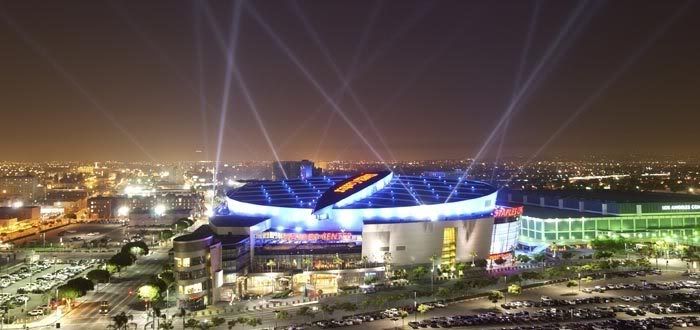
The most notable example of this is in the city of Los Angeles. Downtown LA is a neighborhood of multiple ethnicities, multiple city landmarks as well as multiple housing projects. The housing projects in downtown have also caused an increase in crime on the area most notably a rise in graffiti. Every offramp, overpass, apartment building, parking lot wall, billboard etc in downtown LA is covered in graffiti. About 6 years ago the city of LA decided that this graffiti made the downtown area appear trashy and unsuitable place to be which was problematic since the LA Convention Center and the Staples Center (home of the Lakers) are both located smack in the middle of downtown. The graffiti was bad for business and the city could not let that stand, in response they decided to tear down housing projects, evicting people from their homes and instead build high rise condominiums in hope that the people who lived there would not be inclined towards crime and graffiti. The process seems to have failed. The graffiti of downtown LA, so close to the lights of the Staples Center is the expression of the lower class. It is the outrage of the people of the housing projects who live a block away from the staples center but they cannot afford a ticket. It is their anger that instead of the city building housing project parking complexes the money went towards VIP parking garages for the rich and famous. I think I heard it best explained when i was 10 years old, I was walking back to the car from a staples center game when i saw a man pull a gun on a couple walking on the street across from us. I remember the guy yelling “Nah ive gotta do this! Ya people dont get this. you people can go to the game, but not me no. Got 90210 on the TV but fuck you that isnt the same city, not to us we cant get none of that. thats why we do this thats why it looks like this.” I later asked my dad what the guy meant and he told me the man was angry that he was poor and that the city divide between rich and poor was so large.
That same man was probably the same guy who gets arrested for putting graffiti up on the side of his housing project.
Graffiti unmasks the social stratification and the divide between rich and poor within a city. The city planners of LA, none of whom reside in these neighborhoods or are aware of the conditions simply view the graffiti as a barricade justifying the gentrification. This is a common phenomenon, when people of the upper and middle class see graffiti they typically react negatively and deem that area of town where the graffiti is prevalent to be sub par and derelict.
The way in which graffiti influences a city and its inhabitants it wide ranging. Cities such as LA and New York with long histories of gang violence and a large lower class population tend to view graffiti as a scar on the city. The graffiti of these cities represents the lower class, it is not traditionally pictures but tags and other quick numbers and slogans, projects done on the fly to avoid the law. In a different part of the country, one that is traditionally seen as conservative there stands a liberal gem where graffiti has become engrained in its “weird” culture, Austin, Texas. Graffiti is seen throughout Austin, so common it has been put on T-Shirts that symbolize the spirit of the city, but why the difference? Why do they tear down graffiti in LA and not Austin? Is it the the poor/rich divide? No. Both cities contain a large wealth gap. Is it the presence of a major college campus? Nope. UT is the heart of Austin but USC is right in south central LA where modern gang graffiti is believed to have its roots. The difference is the type of graffiti. the graffiti of austin are not tags nor are they associated with gang activity or the lower class, the graffiti of austin is done through pictures. It carries a similar message but on the eye is more aesthetically appealing. Instead of attempting to prevent graffiti from springing up Austin had at one point several places in the city dedicated to graffiti. The city of Austin seems very open to Graffiti however we see that spatial lines are drawn to segregate the graffiti portion of the community. The upper class wealthy Austinites who control thing such as the city council and dislike graffiti do not reside within the city, they reside on its outskirts in the hill country on their large estates far away from the portions of the city that graffiti is deemed acceptable. This policy is eerily similar to the policy in Los Angeles. If graffiti had been thrown up in the wealthy neighborhoods of Austin then mass removal would take place. Had the areas that the graffiti in Austin appeared be ares of economic importance to the city the city would have engaged in large scale gentrification similar to LA (while the graffiti has appeared in many popular tourist places in Austin it is part of the locale which makes it alluring different then LA
The most common places to find graffiti worldwide are inner city low income neighborhoods. The graffiti of these neighborhoods has emerged as form of expression, a form of storytelling that is the inner city’s way of expressing the social conditions that exist (for more on that read the last part of the series in which I discuss and article entitled “Bombing Modernism”). This graffiti has also become a staple of petty crime within these neighborhoods particularly associated with gang activity. The use of graffiti in association with gang activity is so common that many people caught vandalizing or throwing up their art are brought in not only on vandalism charges but also on suspected gang affiliation regardless of the act of art (many of these cases have been documented in Los Angeles, Chicago, Atlanta and the greater Detroit area). In an effort to combat what is seen as gang representations many city planners have begun to put building mandates on construction near these neighborhoods in an attempt to prevent graffiti. These mandates range from simple instructions such as window placement to avoid space for tagging to requiring construction projects to paint murals on the side of buildings to prevent tagging-a process that seems counterintuitive since the whole point of graffiti is an attempt to beautify and change the normal landscape. The more intense actions taken to prevent graffiti is large scale gentrification.
The most notable example of this is in the city of Los Angeles. Downtown LA is a neighborhood of multiple ethnicities, multiple city landmarks as well as multiple housing projects. The housing projects in downtown have also caused an increase in crime on the area most notably a rise in graffiti. Every offramp, overpass, apartment building, parking lot wall, billboard etc in downtown LA is covered in graffiti. About 6 years ago the city of LA decided that this graffiti made the downtown area appear trashy and unsuitable place to be which was problematic since the LA Convention Center and the Staples Center (home of the Lakers) are both located smack in the middle of downtown. The graffiti was bad for business and the city could not let that stand, in response they decided to tear down housing projects, evicting people from their homes and instead build high rise condominiums in hope that the people who lived there would not be inclined towards crime and graffiti. The process seems to have failed. The graffiti of downtown LA, so close to the lights of the Staples Center is the expression of the lower class. It is the outrage of the people of the housing projects who live a block away from the staples center but they cannot afford a ticket. It is their anger that instead of the city building housing project parking complexes the money went towards VIP parking garages for the rich and famous. I think I heard it best explained when i was 10 years old, I was walking back to the car from a staples center game when i saw a man pull a gun on a couple walking on the street across from us. I remember the guy yelling “Nah ive gotta do this! Ya people dont get this. you people can go to the game, but not me no. Got 90210 on the TV but fuck you that isnt the same city, not to us we cant get none of that. thats why we do this thats why it looks like this.” I later asked my dad what the guy meant and he told me the man was angry that he was poor and that the city divide between rich and poor was so large.
That same man was probably the same guy who gets arrested for putting graffiti up on the side of his housing project.
Graffiti unmasks the social stratification and the divide between rich and poor within a city. The city planners of LA, none of whom reside in these neighborhoods or are aware of the conditions simply view the graffiti as a barricade justifying the gentrification. This is a common phenomenon, when people of the upper and middle class see graffiti they typically react negatively and deem that area of town where the graffiti is prevalent to be sub par and derelict.
The way in which graffiti influences a city and its inhabitants it wide ranging. Cities such as LA and New York with long histories of gang violence and a large lower class population tend to view graffiti as a scar on the city. The graffiti of these cities represents the lower class, it is not traditionally pictures but tags and other quick numbers and slogans, projects done on the fly to avoid the law. In a different part of the country, one that is traditionally seen as conservative there stands a liberal gem where graffiti has become engrained in its “weird” culture, Austin, Texas. Graffiti is seen throughout Austin, so common it has been put on T-Shirts that symbolize the spirit of the city, but why the difference? Why do they tear down graffiti in LA and not Austin? Is it the the poor/rich divide? No. Both cities contain a large wealth gap. Is it the presence of a major college campus? Nope. UT is the heart of Austin but USC is right in south central LA where modern gang graffiti is believed to have its roots. The difference is the type of graffiti. the graffiti of austin are not tags nor are they associated with gang activity or the lower class, the graffiti of austin is done through pictures. It carries a similar message but on the eye is more aesthetically appealing. Instead of attempting to prevent graffiti from springing up Austin had at one point several places in the city dedicated to graffiti. The city of Austin seems very open to Graffiti however we see that spatial lines are drawn to segregate the graffiti portion of the community. The upper class wealthy Austinites who control thing such as the city council and dislike graffiti do not reside within the city, they reside on its outskirts in the hill country on their large estates far away from the portions of the city that graffiti is deemed acceptable. This policy is eerily similar to the policy in Los Angeles. If graffiti had been thrown up in the wealthy neighborhoods of Austin then mass removal would take place. Had the areas that the graffiti in Austin appeared be ares of economic importance to the city the city would have engaged in large scale gentrification similar to LA (while the graffiti has appeared in many popular tourist places in Austin it is part of the locale which makes it alluring different then LA
The way in which graffiti changes a physical environment is similar to the effect of a weather pattern. Rain and hail discourage certain people, those who do not want to get wet from going out, similarly graffiti acts as a barricade to portions of cities for those who dismiss it as vandalism and vulgar. We see this displayed in the May 68 protests in which graffiti slogans played a key role. Graffiti was used as a tool to mark territory of the protesters, an area that they wished to have blocked off from the government bureaucrats. The strategy was effective, during the protests government officials insulted the movement by pointing out its lack of respect for the city by citing the numerous graffiti slogans that had emerged. As graffiti became popular in portions of the city certain people congregated there, the revolutionaries, no longer other portions of the French population that had previously occupied certain areas.
As graffiti emerges the physical landscape reacts to it. The population alters or maintains the spatial area in order to act accordingly with the graffiti that has appeared. This phenomena is seen in every city in this country and probably worldwide, look at portions of cities with large amounts of graffiti and then look at how construction and the city has built around it.
Labels:
Adam Lipton,
Austin,
Gentrification,
graffiti,
Los Angeles,
spatial plane,
Urbanism
May 1, 2011
Graffiti Series Part I- Graffiti as a Strategy of Communciation

I hope that all the authors of this site comment on these posts and provide their own interpretations on the importance of graffiti, each of us has a different background and other points of view are appreciated.
America views graffiti as trash, as an obstacle to having a "clean" or "normal" society." The majority of the graffiti that appears in urban neighborhoods across the U.S. is often affiliated with gangs and organized street crime. This graffiti is seen as ugly but serves a purpose to those who throw it up as well as those who live in areas near those who put up the graffiti. Typical gang graffiti is called "tagging" it is certain logos that are put up to establish territorial boundaries for gangs. They are often also used as warning signs once in the neighborhoods of how things work with a certain gang's territory. This trashy graffiti is not very different then the political graffiti seen in cities across the U.S. such as Berkeley or Austin. Both types of graffiti serve to communicate a message. While gang graffiti does have an underlying violent trope it never the less acts a medium of communication to convey an important message.

The political graffiti of the U.S. is easy to understand as a strategy of communication--it conveys a political opinion. Instead of analyzing the political graffiti of the U.S. I would like to examine the political graffiti that has appeared in history. As rebellions occur so does graffiti. Many separatist groups and rebels have used graffiti to convey political messages, pass secret messages and to confuse the enemy.
The French partisans (during World War II) used graffiti in highly German populated areas to communicate secret meetings. Instead of writing in french or German which was easily interpreted by the Germans they used names of historical french figures as code. These simple messages scrawled deep in enemy territory were used plan secret meetings that helped bring down the Nazi regime. An older French example of political graffiti was during the french revolution, the poor peasants used tomatoes to paint cries for revolution on walls throughout the city.
A more recent example of insurgent graffiti is the protests throughout the middle east. In Libya most notably hundreds of messages yelling for democracy have sprung up not only in Misrata but in all the major cities showing diffusion of rebellion. The Libyan graffiti has taken on a different trope then the graffiti of the rebellions in Bahrain or the graffiti that had showed up in Egypt. Libya's graffiti appears to be synchronized. The messages and words are unified and the same messages appear everywhere unlike Egypt in which countless different phrases and messages popped up, it is almost as if the rebels are using graffiti as a tactic to confuse and attack the enemy on a different front.
This Post was a brief intro to some communicative uses of graffiti. Below are several pictures of political/insurgent graffiti for your viewing pleasure.

![]() |
| This caricature of Gadhaffi reads "The Monkey of Monkeys of Africa" a play on his self given title of the "The King of Kings of Africa" |
Labels:
Adam Lipton,
communication,
graffiti,
part 1,
series
April 6, 2011
Graffiti as Culture Jamming
"People say there is a graffiti problem. The only problem with graffiti is that there is not enough of it. Imagine a city where graffiti wasn't illegal, a city where everbody could draw wherever they liked. Where every street was awash with a million colors and little phrases. Where standing at a bus stop was never boring. A city that felt like a living breathing thing which belonged to everybody, not just estate agents and barons of big business. Imagine a city like this and stop leaning against that wall--its wet"--Banksy in Existencilism

Before I begin my post this an introductory post that will be expanded upon at a later date.
The well known street artist Banksy adequately captures the feelings of many revolutions, an attempt to make society and the city unified and a collective unit not one run by a larger superstructure. While Banksy describes it through the aesthetics of art in his article "Bombing Modernism" Amos Klausner describes how the social conditions, the slums and the ghettos that began to fester across the United States during the modernist push post World War II was not exposed and brought to public attention by politics but instead "It came from the heart of the ghetto where new voices were quick to take up arms against the status quo. Holstered with felt tip markers and spray cans, truth was recognized in a colorful show of force and bravado. For graffiti artists , manipulating letters became lifeblood and fighting back meant getting ill, and ill-legible." (Read all of Klausner's Article Here)
In later posts I will go more in depth analyzing Kalusner's observations of graffiti on the built environment. This introductory post just means to pose the question is graffiti a line of fracture? How does graffiti contribute to revolutionary movements? The answer is actually found in a graffiti slogan of May '68 "This Concerns Everyone." Graffiti reaches all those who see it and influences their perception of the space around them because the graffiti reshaped the area and creates a new aesthetic feeling for the area that can affect individuals who pass by. Is it coincidence that in order to communicate rebel groups in Libya use graffiti to organize meetings similar to the way the French resistance did in World War II? In the posts that follow over time I will devote 4 Post to 1. The role of graffiti in revolutionary communications 2. The affect graffiti has on the spatial plane 3. The movements influenced by/that utilize graffiti as a form of culture jamming 4. A collection of my personal favorite graffiti. Stay tuned for the posts to come.
Subscribe to:
Posts (Atom)